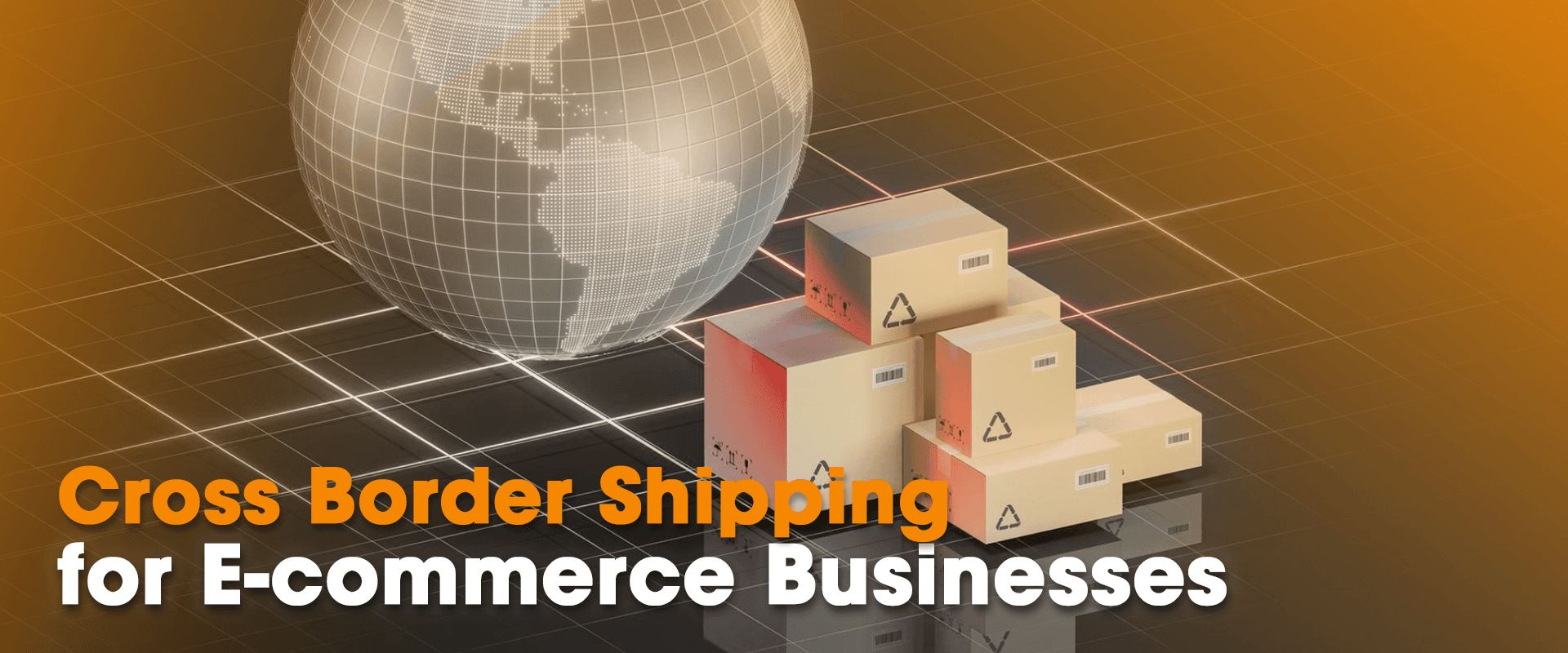
With the rise of online shopping and globalization, cross border shipping has become a crucial component for e-commerce businesses looking to expand internationally. Whether you're a small business owner or a large-scale retailer, offering international shipping opens doors to new markets and a diverse customer base. However, cross border shipping comes with its own set of challenges, from handling customs clearance and optimizing delivery times to managing customer expectations. In this guide, we'll explore the best practices for cross border shipping to help e-commerce businesses navigate these complexities with ease.
Understanding Cross Border Shipping Basics

Cross border shipping is a crucial component for ecommerce businesses looking to expand their global reach. It involves several factors that businesses must understand to optimize their international selling processes.
- Customs and Duties: Many countries impose customs duties on imported goods, which can vary depending on the type of product, its value, and the destination country. According to the World Bank, customs duties can account for up to 20% of the product’s total cost when selling internationally. Familiarizing yourself with these duties ensures smoother customs clearance and helps avoid unexpected delays or costs.
- Shipping Restrictions: Certain products face restrictions or are entirely prohibited in some countries. For example, items like alcohol, pharmaceuticals, and electronics often have specific import guidelines. Researching the target market’s restrictions helps prevent shipments from being rejected or returned, which could otherwise impact your business’s reputation and increase costs.
- Customer Expectations: International customers expect the same level of service as domestic buyers, with high expectations for delivery speed, tracking visibility, and overall transparency. A survey by Pitney Bowes found that 55% of consumers expect free or low-cost international shipping, and 44% want visibility into the entire shipping process. Meeting these expectations ensures a positive customer experience and encourages repeat purchases.
Setting Up Your Cross Border Shipping Strategy
To manage cross border shipping effectively, e-commerce businesses must create a well-thought-out strategy tailored to international markets.
- Identify Your Target Markets: Before venturing into global sales, analyze your existing customer data to identify regions with high demand for your products. Tools like Google Analytics can show you where visitors are coming from, helping you prioritize markets with a proven interest in your products. For example, e-commerce sales in Southeast Asia are expected to reach $200 billion by 2025, according to Google’s “e-Conomy SEA” report, which makes it a lucrative target region for many businesses.
- Choose the Right Carriers: Partnering with the right carriers ensures that your shipments are delivered in a timely and cost-efficient manner. Carriers like DHL, FedEx, and UPS offer international shipping services with reliable tracking, which enhances the customer experience. Comparing shipping rates, delivery time, and services like customs brokerage can help you determine which carrier is best suited to your business needs.
- Optimize Shipping and Return Policies: Clear and transparent shipping and return policies set accurate expectations and prevent confusion. Research shows that 68% of online shoppers consider return policies when making a purchase, so outlining your policy upfront can increase trust. Offering Delivery Duty Paid (DDP), where you handle customs duties, may be more attractive to customers than Delivery Duty Unpaid (DDU), where customers pay duties upon delivery.
Navigating Customs and Duties for Smooth Cross Border Shipping

Handling customs and duties efficiently is critical to avoiding costly delays and ensuring successful delivery.
- Understand HS Codes and Documentation: Harmonized System (HS) codes help customs authorities categorize products and determine the correct tariffs. Incorrect HS codes can result in customs delays, fines, or package rejections. Researching the correct codes for your products and ensuring all customs paperwork is accurate is crucial for smooth international shipping.
- Determine Duty Payment Options (DDU vs. DDP): Deciding whether you’ll pay duties upfront (DDP) or leave it to the customer to pay upon delivery (DDU) can impact both your costs and customer satisfaction. A study by Shopify revealed that 61% of consumers prefer a clear cost structure, which makes DDP more favorable, even though it can increase upfront costs for businesses.
- Partner with Customs Brokers: Customs brokers can expedite the customs process by handling paperwork and ensuring compliance with local regulations. According to the World Customs Organization, using a licensed customs broker can speed up clearance times by 20-30%, reducing the likelihood of shipping delays.
Managing Customer Expectations in Cross Border E-commerce
Maintaining clear communication and managing expectations effectively is key to keeping international customers satisfied.
- Provide Accurate Delivery Estimates: Transparency is essential when it comes to delivery timelines. International shipping may take longer than domestic shipments due to customs processing and longer transit times. The International Post Corporation reports that 62% of customers experience frustration when deliveries take longer than expected, which underscores the importance of setting accurate delivery estimates.
- Offer Multilingual Customer Support: As e-commerce becomes increasingly global, offering multilingual customer support can enhance the shopping experience. A survey by CSA Research found that 75% of customers prefer to shop in their native language, and 60% rarely or never buy from websites that aren’t in their language.
- Use Automated Tracking Notifications: Offering real-time tracking updates can reduce customer inquiries and improve satisfaction. According to a report by Transporeon, 76% of consumers want to track their packages in real time, making automated tracking notifications essential for international shipments.
Handling Cross Border Returns

Returns are a necessary part of e-commerce but can be complex for international orders.
- Set Clear Return Guidelines: Establish a clear, simple return process for international customers. According to research from Invesp, 92% of consumers are more likely to buy if a return policy is clear. This helps mitigate confusion and ensures a smoother experience for both parties.
- Offer Localized Return Options: Consider offering local return hubs in key regions to simplify the return process. A report by Deloitte found that 53% of consumers are more likely to shop again if the company offers free returns, so local return hubs can also increase customer loyalty.
- Automate Refund and Restocking Processes: Automating returns processing helps ensure efficiency and reduces operational overhead. Using a system like Returnly or Happy Returns allows for automated refunds and restocking, making the process smoother for both customers and businesses.
Best Practices for Fast Cross Border Delivery
Speed is often a deciding factor in customer satisfaction, and businesses must ensure fast international deliveries.
- Leverage Cross Border E-commerce Logistics Solutions: Working with logistics platforms like Amilo or BorderGuru helps streamline international shipping by handling everything from customs clearance to last-mile delivery. These services can significantly reduce delivery times and improve efficiency.
- Offer Expedited Shipping Options: Providing expedited shipping options for international orders can attract customers willing to pay a premium for faster delivery. According to a study by McKinsey & Company, 41% of global e-commerce consumers are willing to pay more for faster delivery, highlighting the importance of offering expedited options.
- Enable Real-Time Tracking and Notifications: Real-time tracking gives customers peace of mind and reduces support inquiries. Using logistics software like ShipBob or Easyship enables businesses to provide consistent tracking updates, enhancing customer experience.
Tools and Technologies to Enhance Cross Border Shipping

Using the right tools can optimize the efficiency of your cross border shipping operations.
- Shipping Rate Calculators: Real-time shipping calculators on your website allow customers to estimate the cost of delivery before purchasing. This transparency can reduce cart abandonment and improve conversion rates.
- Ecommerce Platform Integrations: Choose a shipping solution that integrates with your e-commerce platform, such as Shopify, BigCommerce, or WooCommerce. This integration helps streamline order processing and shipping management.
- Logistics Management Software: Platforms like ShipStation and Easyship provide comprehensive solutions for international shipping, including automation, cost estimation, and tracking, improving operational efficiency.
Cross border shipping offers e-commerce businesses the opportunity to expand globally, but it requires thoughtful planning, effective tools, and clear communication. By implementing these best practices, you can reduce costs, improve delivery times, and enhance customer satisfaction, making international selling a seamless and profitable part of your business.
Ready to expand your business globally with ease? Start implementing these cross border shipping strategies today to grow your customer base and boost sales!